“Sculpture 4” – Martin Kirov | Clay
95.00 €
♡ Follow Martin Kirov
Receive an email when we publish a new work by Martin Kirov.
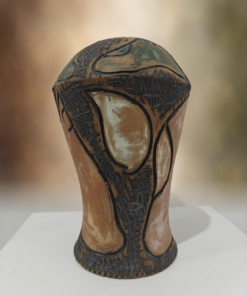
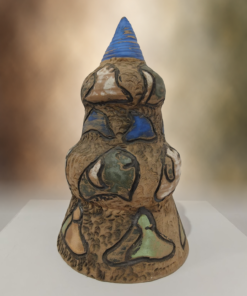
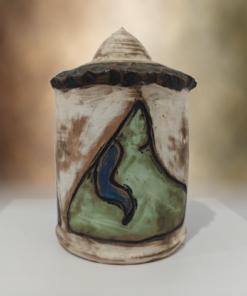
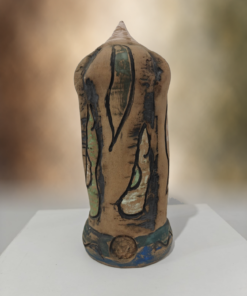
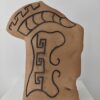
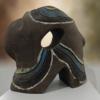
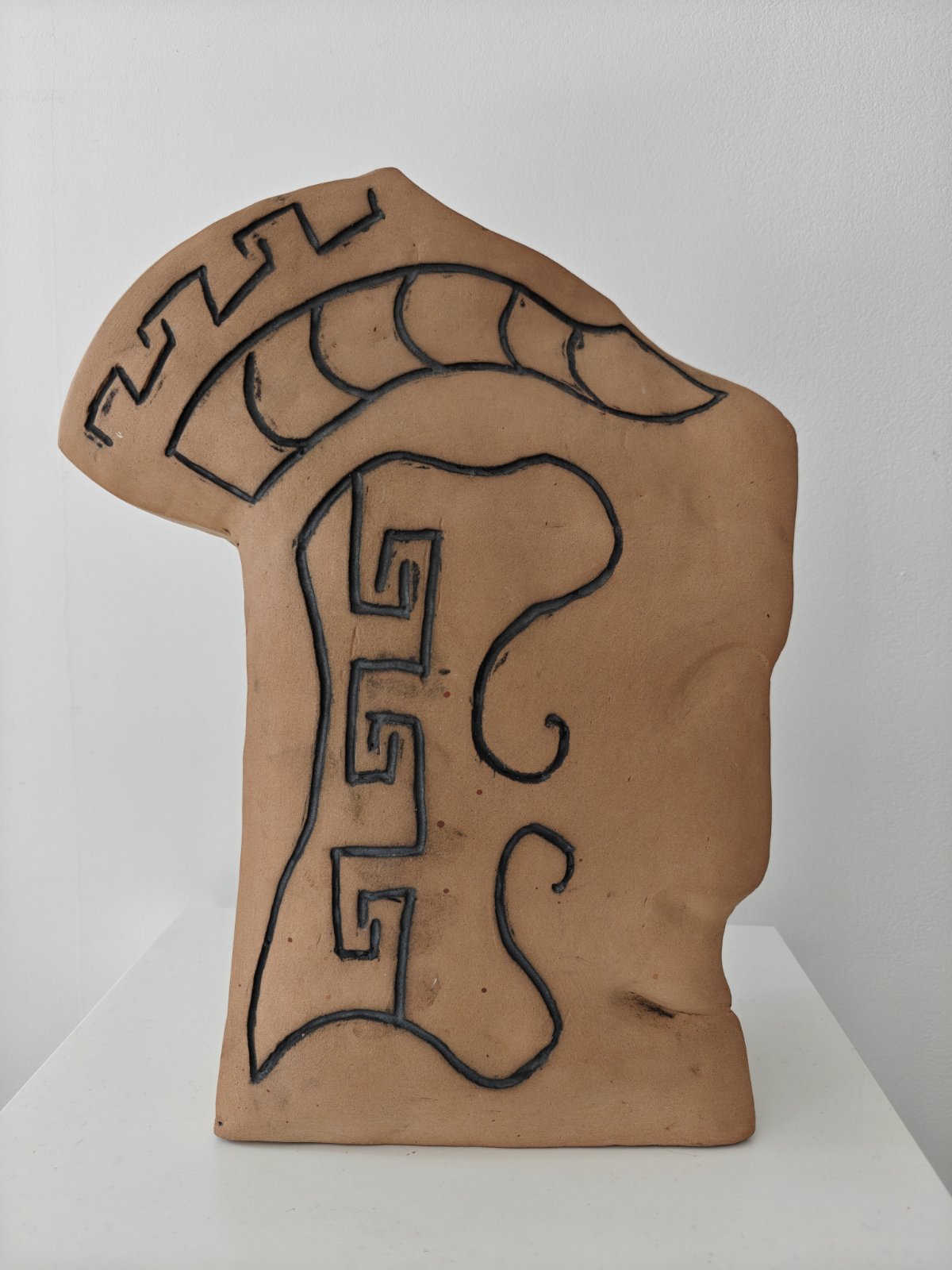
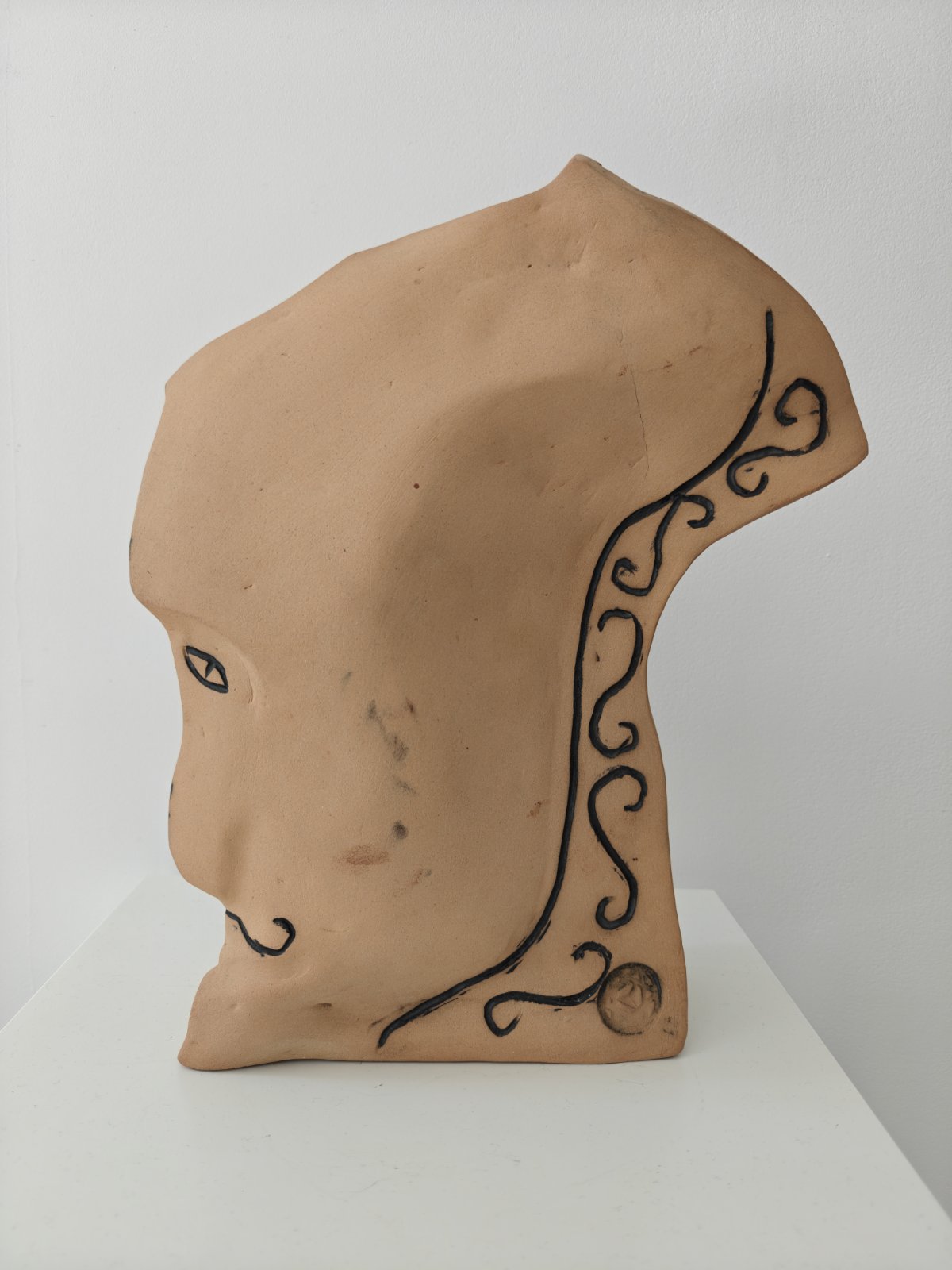
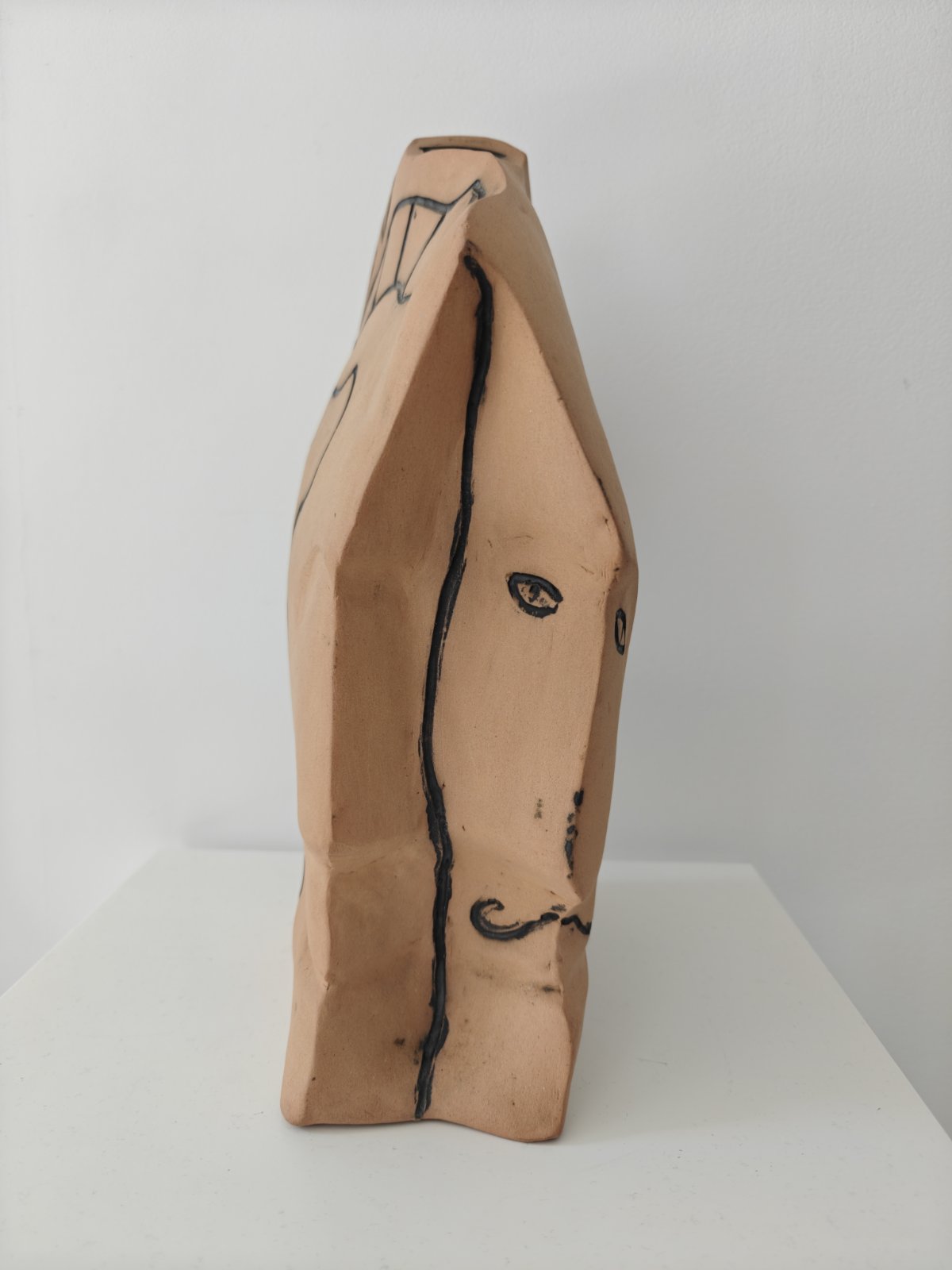
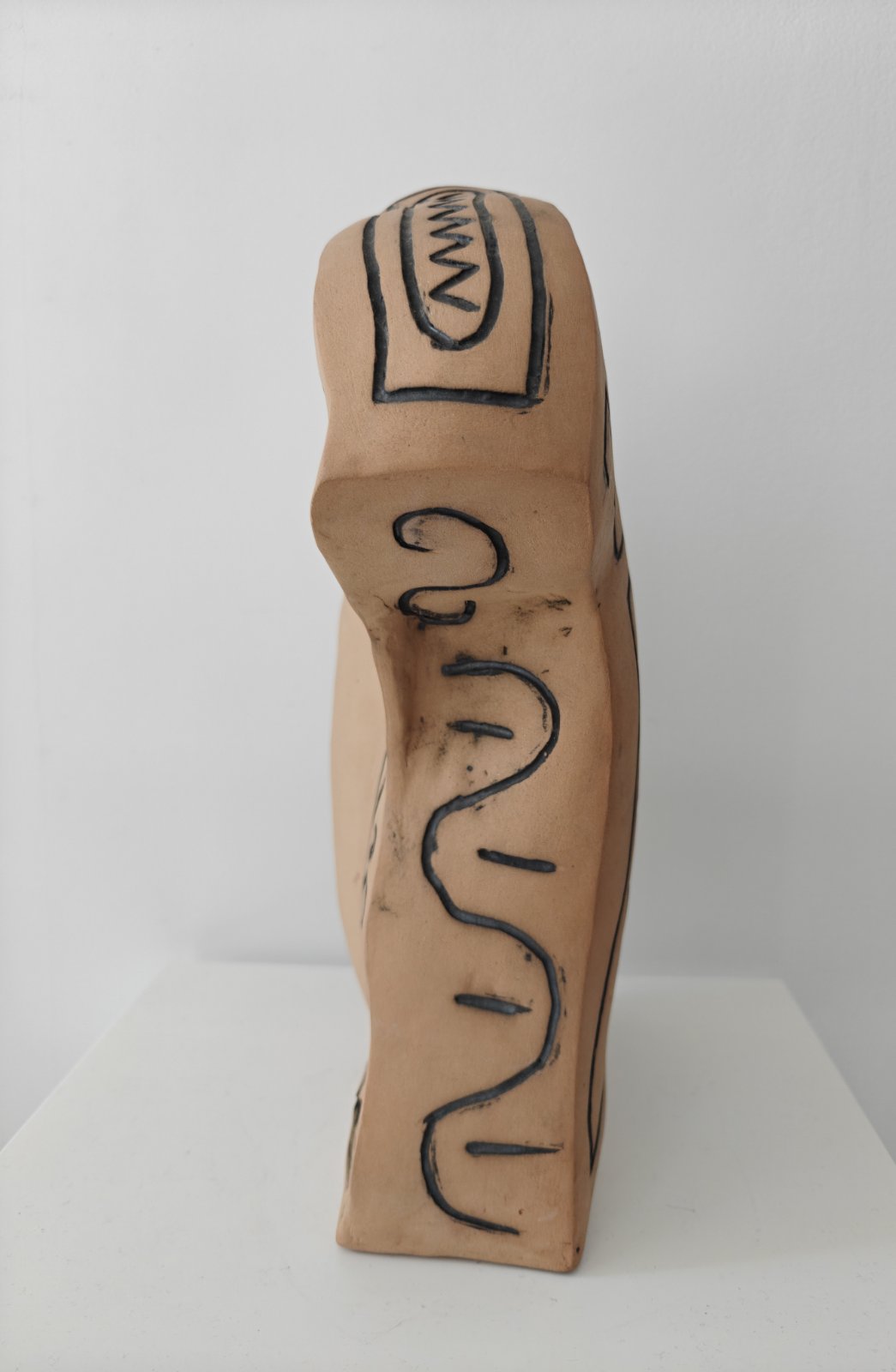
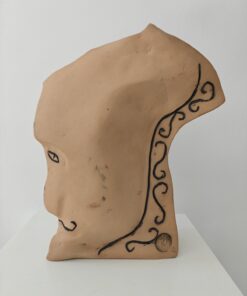
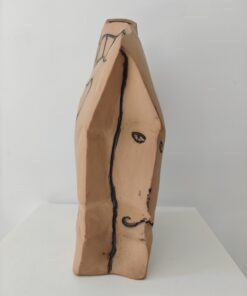
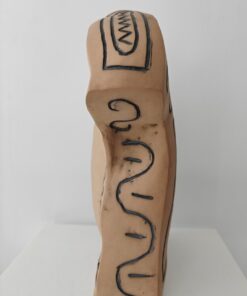
“Sculpture 4” is an original work by Martin Kirov, in which human profiles, eyes and ornamental lines appear on different sides of the form, continually changing its image. The warm, natural colour of the clay and the dark markings give the sculpture an ancient, mysterious quality — a work about the many faces we wear and the different viewpoints from which we reveal them.
Artwork details
Artist: Martin Kirov
Title: “Sculpture 4”
Material: Clay
Dimensions: 36 × 29 × 20 cm
In stock
“Sculpture 4” is an original work by Martin Kirov, in which the human face ceases to be a single image and becomes a mystery that changes with the viewpoint.
One face. Or perhaps several, hidden within it.
The sculpture is constructed so that there is no single “correct” side. Each turn reveals a new profile, a new gaze and a different sense of the figure’s character.
Eyes, noses and lips are reduced to simple lines and signs. They meet geometric and spiral ornaments that run across the surface and connect the different faces.
The dark drawing against the natural colour of the clay recalls ancient signs or fragments of an unfamiliar alphabet. Some seem to carry meaning; others remain deliberately unresolved.
The form is asymmetrical and free. Its curves change the silhouette according to the angle, making the work appear as a different image with each new look.
The natural warmth of the clay reinforces a sense of something primal — an image that seems to have existed long before it was given a particular name.
At the same time, the clean lines and free stylisation give the sculpture a contemporary character.
The human face thus becomes a field for interpretation. One image contains another, with the next appearing behind it.
Measuring 36 × 29 × 20 cm, the work has a tangible three-dimensional presence and is made to be viewed from different sides.
“Sculpture 4” is a work about the many faces we wear — and what sometimes emerges only when we change our viewpoint.
Why choose this artwork
✓ Artist — Martin Kirov
✓ Original sculpture
✓ Made from clay
✓ A multifaceted three-dimensional composition
✓ A different impression from every angle
✓ Distinctive graphic and ornamental lines
✓ The natural, warm colour of the material
✓ A combination of primal feeling and contemporary stylisation
✓ The symbolic theme of human identity
✓ A strong, independent presence in an interior
How many faces does one person have?
The answer changes with each turn. In “Sculpture 4”, Martin Kirov allows profiles to flow into one another, while the signs on the clay seem to guard the rest of the story. Perhaps we simply need to look from the other side.
| Weight | 2 kg |
|---|---|
| Dimensions | 36 × 29 × 20 cm |
| Artist | |
| Medium |
More works by Martin Kirov